Feadship's Most Famous Superyachts: The Vessels That Defined the Yard
Feadship's fleet of over 260 vessels contains some of the most celebrated yachts ever built. Aquila redefined what sustainable propulsion means at 90-metre scale. Savannah proved hybrid technology could be luxurious. Venus became famous before she was launched. These are the Feadship yachts that shaped the industry.
S
SuperYachtReview Editorial · Shipyard Intelligence · Updated March 2026
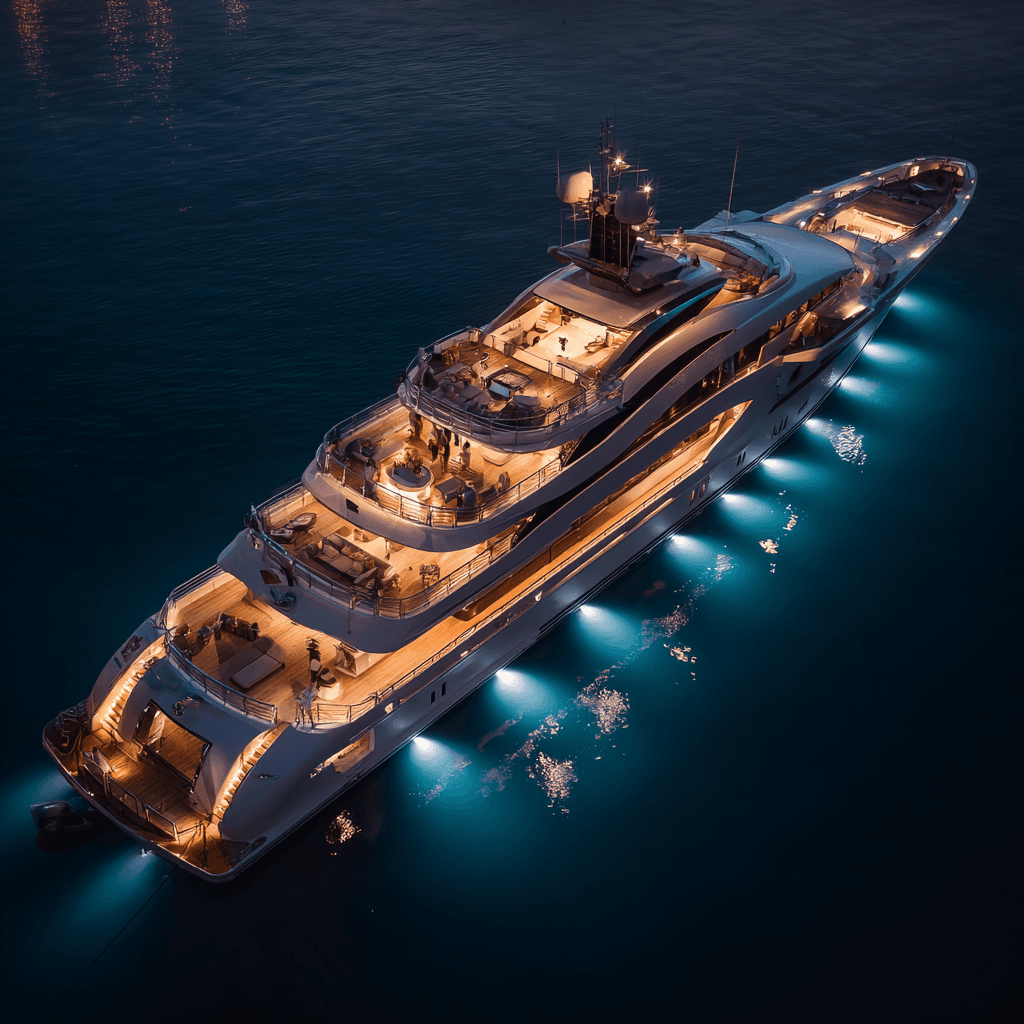
The Feadship aesthetic — clean, precise, technically uncompromising.
Aquila — 91.5m, 2023
Aquila is Feadship's most significant delivery in a generation. At 91.5 metres — the largest vessel the yard has ever built — she represents not just an achievement of scale but a genuine step-change in what sustainable superyacht technology can deliver at flagship level. The hybrid diesel-electric propulsion system is paired with a hydrogen fuel cell for auxiliary power and a solar panel array integrated into the superstructure. The hull form was designed by Feadship's naval architects specifically to reduce drag at cruising speed — every aspect of the specification was considered through the lens of reducing environmental impact without compromising the luxury experience. Exterior design by Feadship's in-house team; interior by an independent studio not publicly disclosed at owner's request.
Savannah — 83.5m, 2015
Savannah holds a unique place in superyacht history as the vessel that proved sustainable propulsion technology was ready for the highest level of the market. Delivered in 2015 by Royal Van Lent, Savannah was the world's first large superyacht to operate with a full hybrid diesel-electric propulsion system and energy recovery. The technology had been discussed theoretically for years; Savannah demonstrated it worked in practice, was reliable, and was compatible with the luxury standards owners expected. The vessel influenced every major new build specification written after 2015. The exterior — designed by Feadship's in-house team — combines a distinctive navy blue hull with clean white superstructure lines that have aged well. See Boat International's Feadship coverage for an extended profile.
Venus — 78m, 2012
Venus became famous before she was finished. The story of Steve Jobs commissioning Philippe Starck to design his ultimate superyacht — and dying before she was delivered — gave the vessel a cultural significance beyond the yachting world. The result is one of the most architecturally distinctive superyachts ever built: an all-aluminium exterior with floor-to-ceiling glass panels running the length of the main deck, a bridge that looks like a technology product rather than a ship's wheelhouse, and an interior that Jobs reportedly specified down to the USB socket positions. The design philosophy was Jobs's own: the pursuit of perfection through the elimination of everything unnecessary. Lloyd's Register classed the vessel throughout construction.
Tango — 77.6m, 2011
Tango is a Feadship from the De Vries yard that has become one of the most admired vessels of its generation for reasons that have nothing to do with celebrity ownership or technological firsts. The vessel simply works exceptionally well: the hull form by Azure Naval Architects is efficient and comfortable in a seaway, the systems integration is thorough, and the overall package represents Feadship engineering at its most purposeful. Tango is the kind of Feadship that experienced owners and industry professionals respect — not for its story but for its execution.
Feadship's sustainability leadership
The thread connecting Aquila and Savannah — and running through the yard's approach to every new build specification — is Feadship's BREATHE programme. Launched formally in 2019, BREATHE sets out the yard's roadmap toward zero-emission superyacht construction across four workstreams: propulsion, energy management, hull efficiency, and lifecycle carbon accounting. The programme reflects a genuine institutional commitment rather than marketing positioning — Feadship has been investing in sustainable technology since before Savannah, and Aquila demonstrates the maturity of that investment. For buyers considering a Feadship commission, the BREATHE framework shapes the engineering options available. See the new builds 2026 page for how this applies to current projects.
Aquila is the most significant Feadship delivered in a decade — and arguably the most important superyacht of its generation. At 91.5 metres, she is the largest Feadship ever built. But the scale is secondary to the technology: hybrid diesel-electric propulsion with energy storage, hydrogen fuel cell auxiliary power, solar panels integrated into the superstructure, and a hull form designed by Feadship's in-house naval architects specifically to reduce drag at cruising speeds. Aquila demonstrates that Feadship's engineering ambition extends into sustainability in a way that few other yards have matched.
Savannah changed the conversation about sustainable superyachts permanently. Delivered in 2015 by Royal Van Lent as the world's first large yacht with a full hybrid diesel-electric propulsion system and energy recovery, Savannah demonstrated that the technology was mature, reliable, and compatible with the performance and comfort standards expected of a vessel at this level. Every superyacht built with a hybrid system since 2015 owes something to Savannah. The exterior — designed by Feadship's in-house team — combines a distinctive navy blue hull with clean white superstructure lines.
Venus was commissioned by Steve Jobs in 2008 and delivered in 2012, a year after his death. Designed by Philippe Starck with intensive personal involvement from Jobs, the vessel has a striking all-aluminium exterior with floor-to-ceiling glass panels running the length of the main deck. The design brief, as Starck has described it, was for a vessel that felt simultaneously like a high-technology product and a work of art. The result is one of the most architecturally distinctive superyachts ever built — and one of the most discussed, both before and after delivery.
Tango is a Feadship from the De Vries yard, delivered in 2011 with a distinctive exterior by Azure Naval Architects. The vessel is known for its efficient hull form and exceptional sea-keeping — qualities that make it a genuine world-cruising yacht rather than a Mediterranean showboat. Tango was a formative project in demonstrating that Feadship's engineering capability at the 75-metre scale was as strong as at smaller sizes.
Frequently asked questions
Is Venus available for sale or charter?+
Venus is privately owned by the Jobs family estate and is not regularly available for charter or sale. The vessel is occasionally listed for sale, but any such listing should be verified with a specialist broker — the yacht attracts significant speculative media coverage.
What is Feadship's approach to sustainability?+
Feadship has been at the forefront of sustainable superyacht technology since Savannah's delivery in 2015. The yard's BREATHE initiative sets out a roadmap for zero-emission superyacht operation, and recent deliveries including Aquila incorporate hydrogen fuel cells, solar integration, and advanced energy management systems. Feadship has committed to being ready to build a zero-emission vessel on demand.
Are Feadship yachts available for charter?+
Several Feadship vessels operate in the charter market. Charter rates for Feadship yachts reflect their build quality and specification — typically €200,000–600,000 per week depending on vessel size and season. SuperYachtReview's charter section lists available Feadship charter yachts.
What designers collaborate with Feadship?+
Feadship works with an owner's independently appointed exterior designer — the yard imposes no house style. Past collaborators include Philippe Starck (Venus), Azure Naval Architects (Tango), and many others. Feadship's in-house design team designed Aquila and Savannah, demonstrating that the yard's own design capability is at the highest level.
How does Feadship compare to Lürssen?+
Both yards are at the pinnacle of custom superyacht construction. Lürssen builds larger — regularly delivering vessels above 100 metres — while Feadship's historical focus has been the 45–90 metre range, though Aquila extended this. Feadship is widely regarded as the engineering benchmark for thoroughness and innovation; Lürssen for scale and project management at extreme size. See our detailed comparison in the intelligence section.
Explore Feadship yachts for sale or charter
SuperYachtReview lists available Feadship vessels with full specifications and direct broker contact.