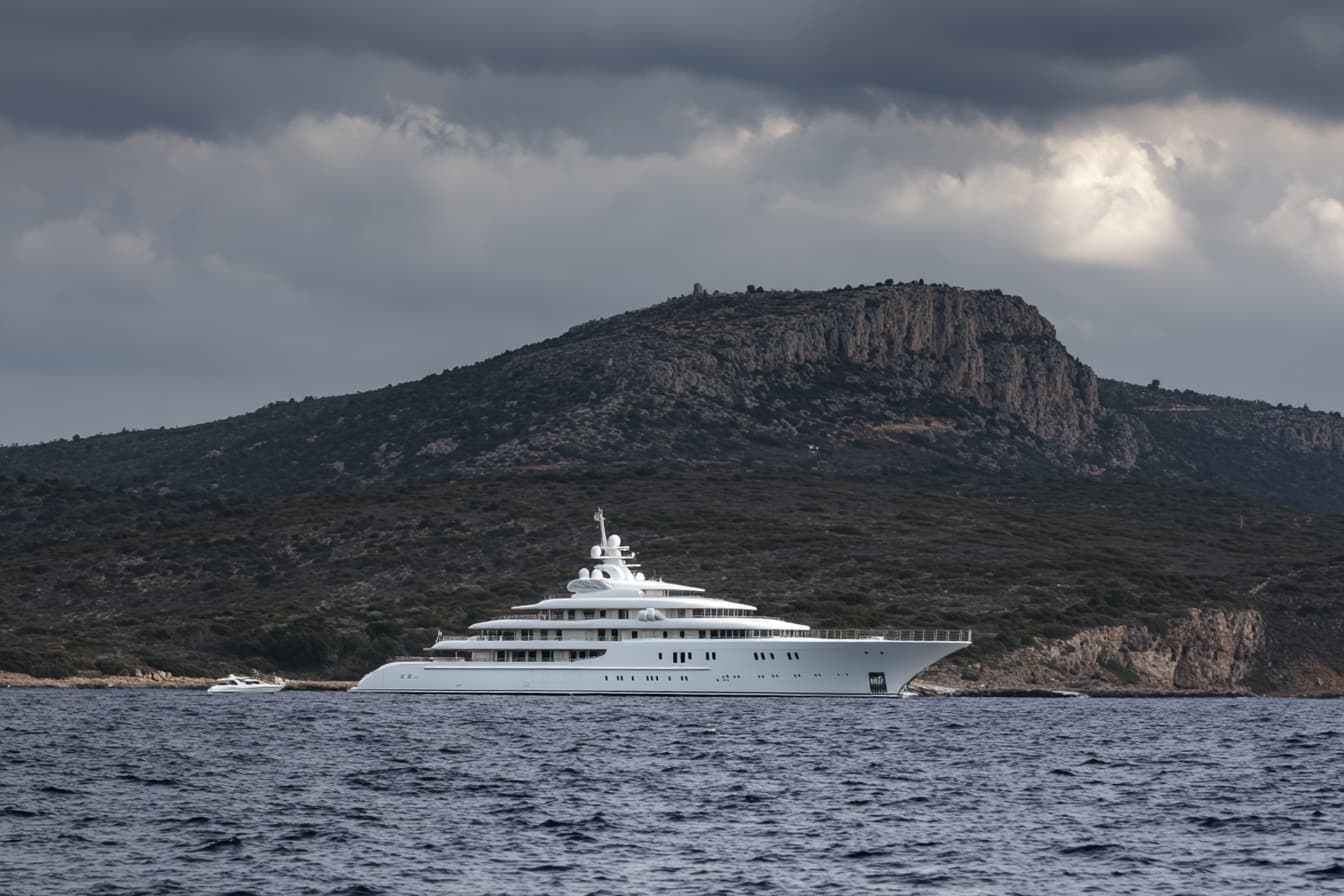
150 years of shipbuilding heritage
Friedrich Lürssen founded his shipyard on the banks of the Weser in 1875. The yard's early decades were defined by fast motor boats — Lürssen built the first petrol-engined boat to exceed 20 knots, in 1886 — but the trajectory toward larger, more complex vessels was established early. By the mid-twentieth century, Lürssen was building naval vessels, ferries, and the first generation of what would become the modern superyacht.
The transition into private superyachts accelerated through the 1990s and 2000s. As the market for vessels above 60 metres grew, Lürssen's engineering capability — its covered construction halls, its precision steel fabrication, its ability to manage projects of extraordinary complexity — gave the yard a structural advantage that few competitors could match. Today, the yard operates multiple facilities across Bremen, Rendsburg, and Berne, and is consistently ranked among the two or three largest superyacht builders in the world by gross tonnage delivered.
For further context on the yard's history and standing within the German maritime tradition, the Lürssen official website provides a detailed account of the yard's development across its 150-year history.
Build capabilities and facilities
Lürssen's primary competitive advantage is physical: the covered construction halls at Bremen-Vegesack are among the largest yacht-building structures in the world, allowing vessels of over 100 metres to be built under cover, year-round, regardless of weather. This is not a minor point — it eliminates the delays and quality risks associated with outdoor construction in northern Europe's variable climate, and it allows Lürssen to maintain build quality standards that are genuinely difficult to replicate at scale.
The yard's technical capabilities extend well beyond hull construction. Lürssen manages full-vessel integration in-house: engineering, systems design, interior fit-out coordination, propulsion, electrical, and stabilisation systems. The yard works with the world's leading independent exterior and interior designers — Espen Öino, Tim Heywood, Winch Design, Reymond Langton — but retains full control of the engineering platform.
Classification is typically to DNV GL or Lloyd's Register standards, and Lürssen vessels are built to comply with MCA Large Yacht Code and SOLAS requirements as standard. This makes them operable commercially without structural modification — a significant factor for owners who wish to charter their vessel.
The new build process
Approaching Lürssen for a new build is not a catalogue exercise. The yard takes a limited number of new commissions each year — typically four to eight, depending on vessel scale — and each is negotiated individually. The process begins with a preliminary design brief, moves through concept approval, contract, design development, and build, and concludes with an extensive sea trial programme before delivery.
Timelines range from three years for a 60-metre vessel to six or seven for a 120-metre-plus flagship. Buyers should factor this timeline into their planning — a Lürssen commission is not a transaction, it is a multi-year project that demands sustained engagement from the owner and their representatives.
The choice of designer is made early in the process and is the client's decision. Lürssen does not impose a house style: the aesthetic vision belongs to the owner and their design team; Lürssen's role is to realise that vision within the constraints of naval architecture, engineering, and classification requirements. This distinction between design and build is fundamental to understanding how the yard operates.
A Lürssen commission is not a purchase. It is a decision to build the finest vessel you can conceive, with a yard that has done it 170 times before.
Notable Lürssen superyachts
The Lürssen fleet includes some of the most recognisable vessels in the world. Flying Fox (136m, 2019) and Dilbar (156m, 2016) are the vessels most frequently cited as benchmarks for what is achievable in private yacht construction, but the full fleet — over 170 vessels — tells a more complete story of consistent excellence across scale and era.
See the complete Lürssen fleet listing for specifications and delivery dates across the full portfolio, or the famous yachts guide for detailed profiles of the most iconic vessels. Boat International's Lürssen coverage provides additional editorial context across the yard's recent deliveries.
Commissioning a Lürssen yacht
For buyers considering a new build commission, the starting point is an initial conversation with the yard — either direct or through a specialist new build representative. Lürssen does not sell through brokers in the conventional sense, though experienced superyacht brokers with new build expertise frequently act as the buyer's representative throughout the project.
For buyers interested in acquiring an existing Lürssen vessel on the brokerage market, SuperYachtReview lists all currently available Lürssen yachts for sale, with full specifications and direct access to the listing broker. The process of purchasing a Lürssen on the secondary market follows the same pattern as any major superyacht acquisition — broker engagement, offer, survey, sea trial, and closing — though the vessel's history and build quality typically makes due diligence more straightforward than with less well-documented yards.
For a broader guide to the purchase process, see our how to buy a superyacht guide and the detailed guide to how a superyacht is built.
Further reading
For those researching Lürssen in depth, the following sources provide authoritative information beyond what is available on SuperYachtReview:
- Lürssen.com — the yard's official website, including fleet portfolio and contact details for new build enquiries.
- DNV yacht classification — information on the classification standards applied to Lürssen vessels, including MCA Large Yacht Code compliance.
- Boat International — Lürssen — editorial profiles and delivery news from one of the industry's leading publications.