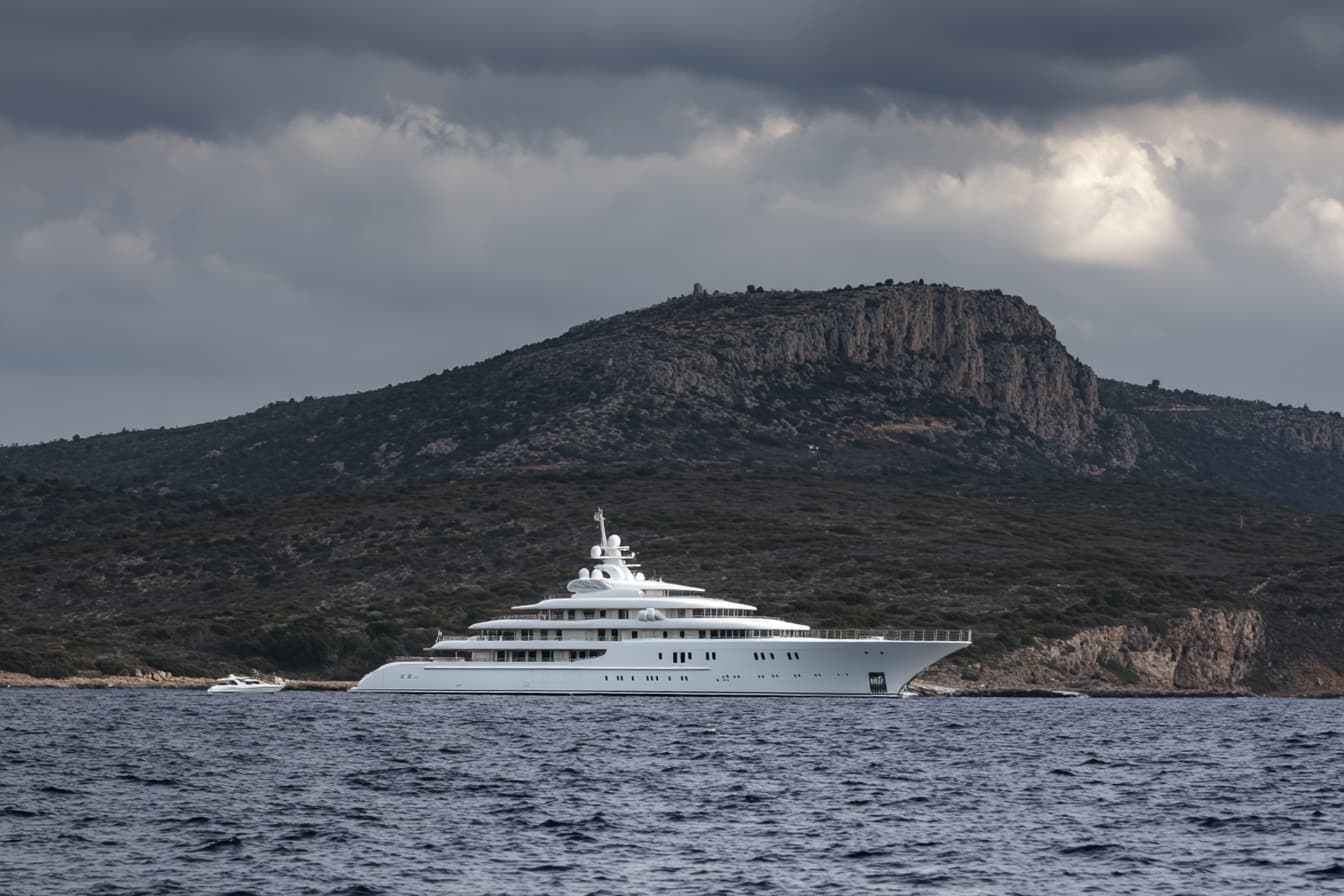
Design and engineering
A superyacht build begins not with steel but with paper. The design phase — exterior design, interior design, naval architecture, and engineering — typically takes 12–24 months before the first steel is cut. The exterior designer defines the aesthetic; the naval architect translates that aesthetic into a hull form that performs; the engineering team designs every system that will keep the vessel running.
At the top yards — Lürssen, Feadship, Oceanco — the naval architecture is developed in-house, often in collaboration with the owner's chosen exterior designer. The design freeze — when the specification is locked and no further changes are accepted — is a critical milestone, typically reached 6–12 months into the design phase. Changes after the design freeze are expensive and cause delay.
Hull construction
For most large superyachts, the hull is steel and the superstructure aluminium. Steel provides the structural rigidity required at the hull; aluminium's lower density reduces topside weight, improving stability. The steel structure — frames, longitudinals, deck plates — is fabricated from cut steel and assembled in the building hall in sections before being joined.
Modern yards like Lürssen build under cover in purpose-built halls that allow year-round construction regardless of weather — an advantage that the northern European yards have over Mediterranean competitors. Hull construction for a 70-metre vessel takes 12–18 months. The keel laying ceremony marks the formal start of construction; the launch (when the completed hull enters the water for the first time) marks the end of the hull phase and the beginning of outfitting.
Classification bodies — DNV GL, Lloyd's Register, RINA — inspect the build at defined milestones throughout the hull construction phase. Their surveyors verify that the structure meets class requirements before each phase is closed out.
Outfitting and systems
Once the hull is afloat, the outfitting phase begins. This is where most of the complexity lives: propulsion systems, generators, stabilisers, air conditioning, electrical distribution, plumbing, tender and toy storage systems, bridge equipment, and communications systems are all installed and commissioned. On a large vessel, hundreds of subcontractors are active simultaneously in different compartments.
Outfitting typically takes as long as hull construction — 12–24 months for a 70-metre vessel. Project management at this stage is critical: coordinating subcontractor schedules, managing the interface between systems, and ensuring that completed systems are tested before the next layer is installed requires dedicated professional oversight.
Interior fit-out
The interior fit-out — joinery, soft furnishings, artwork, lighting — runs in parallel with the later stages of outfitting. Interior workshops fabricate joinery panels and furniture off-site, which are then installed in the vessel when the relevant spaces are ready. For a flagship vessel, the interior fit-out alone can involve 50+ specialist craftspeople working for 12–18 months.
The interior specification is typically the most fluid element of the build — owners frequently request changes as they see the space taking shape. Every change has a cost in money and time; this is why the design freeze matters.
Sea trials and delivery
Sea trials verify that all systems function correctly under operating conditions. Speed and manoeuvring trials confirm the vessel meets its performance specification. Machinery endurance trials run systems at full load for extended periods. Stability tests verify the vessel's behaviour in different loading conditions. For a large vessel, sea trials take 2–4 weeks.
Following successful sea trials and resolution of any defects identified (the snag list), the protocol of delivery is signed, funds released, and the vessel formally transfers to the owner. For a detailed timeline of each phase, see our superyacht build timeline guide.
Classification and certification
A superyacht built to class — the standard for all vessels from reputable yards — carries a class certificate from the relevant society. This certificate confirms that the vessel has been built and surveyed to the society's standards, and that it remains in class through ongoing periodic surveys. Class is a prerequisite for most insurance and for flag state registration.
For vessels that will operate commercially (charter yachts), compliance with the MCA Large Yacht Code is also required. This imposes additional requirements on safety equipment, crew certification, and operational procedures beyond what class alone requires.