Lürssen's 109m Explorer O3 Completes Sea Trials Ahead of 2026 Delivery
SuperYachtReview Editorial · Today
The ice-classed expedition yacht formerly known as Project Shackleton has been spotted on sea trials, revealing a 109-metre LOA, axe bow, heli-hangar and open cargo deck — one of the most specialised exploration yachts in build.
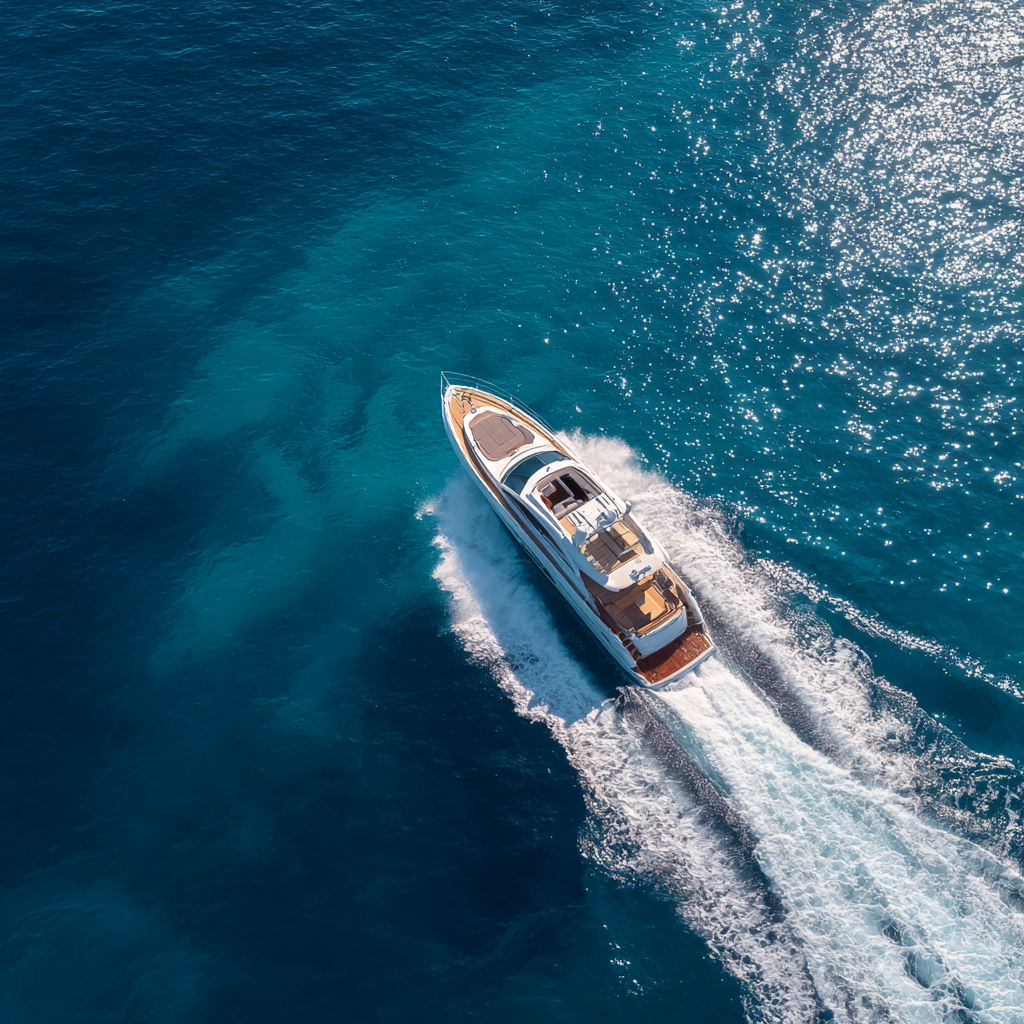
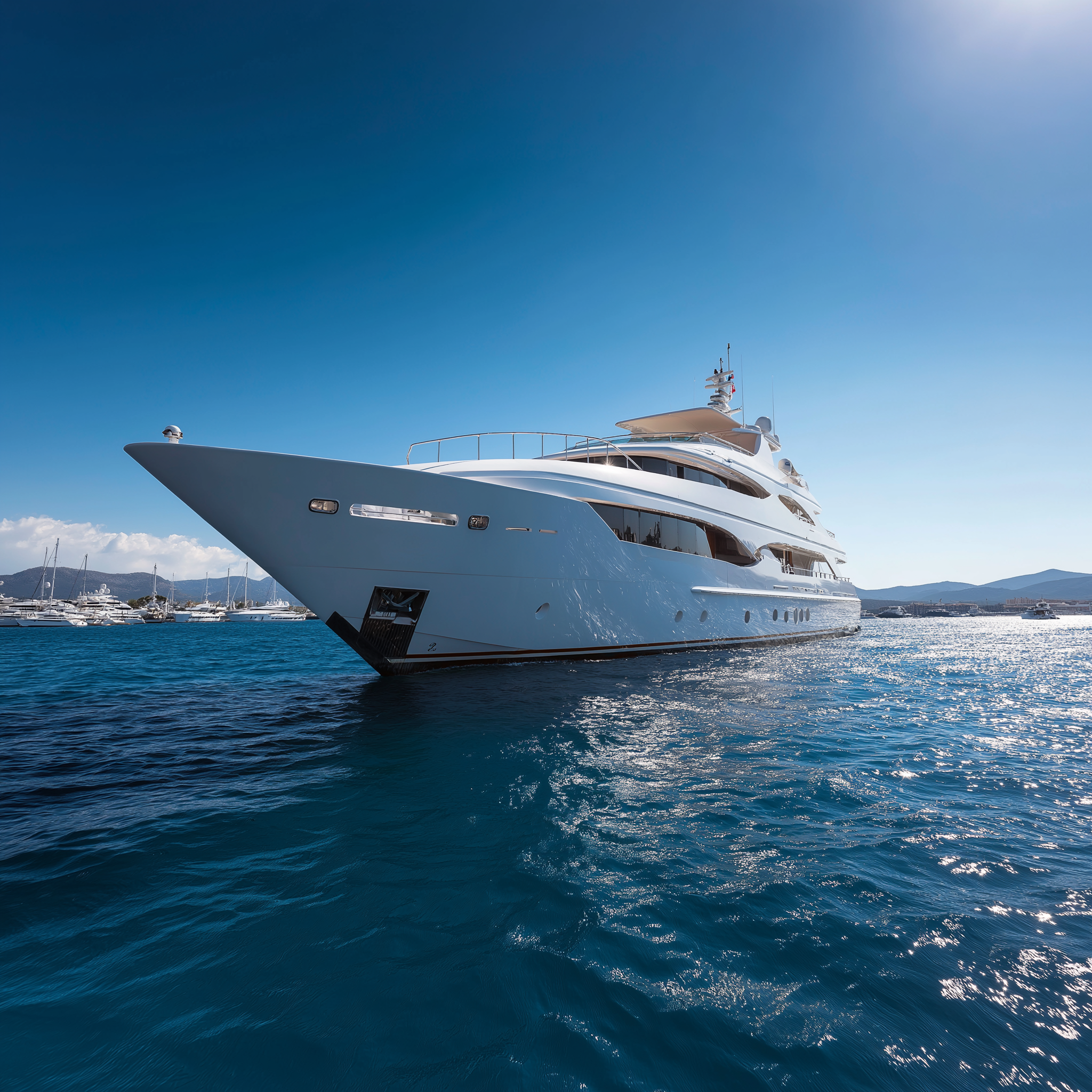
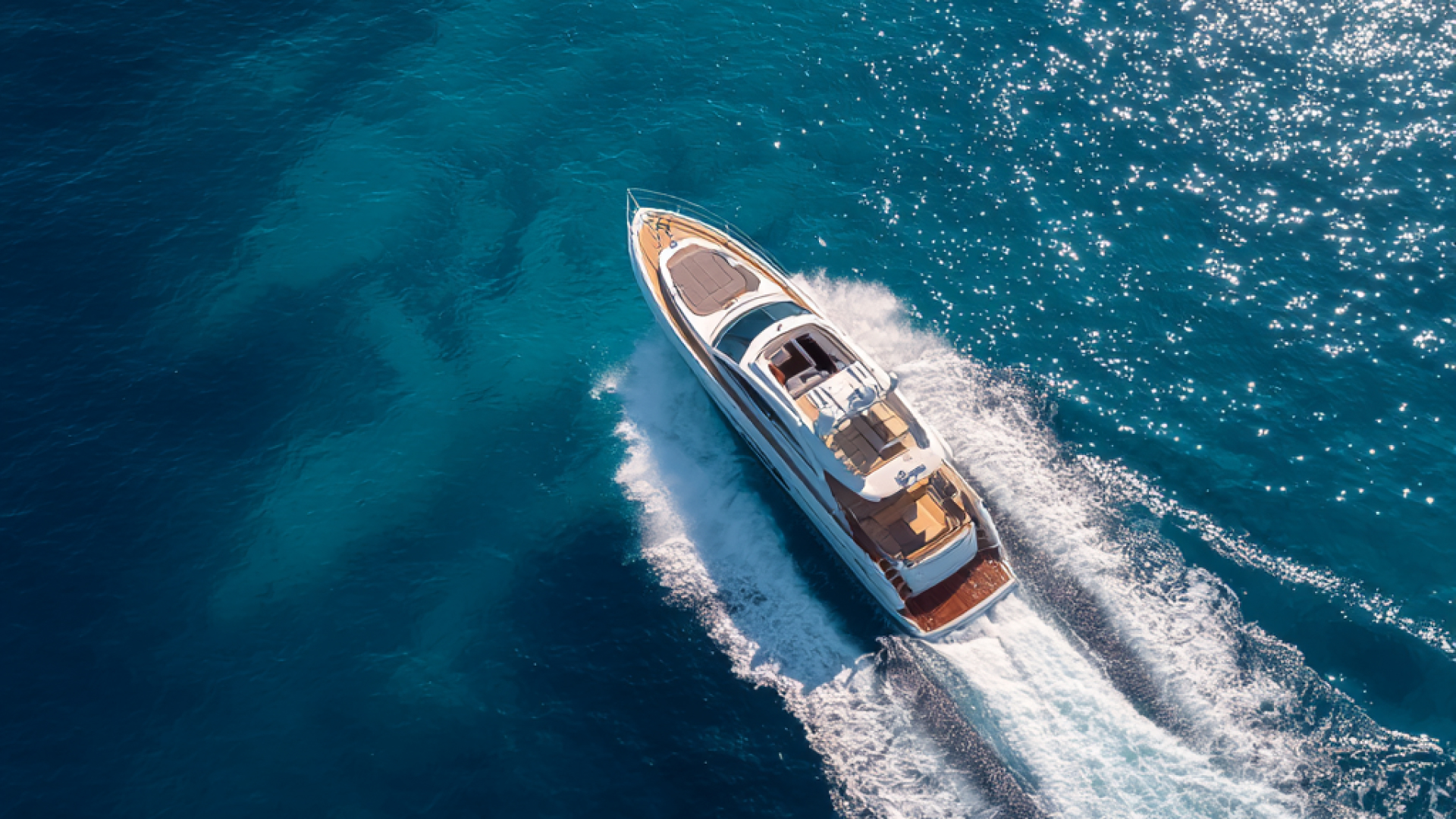
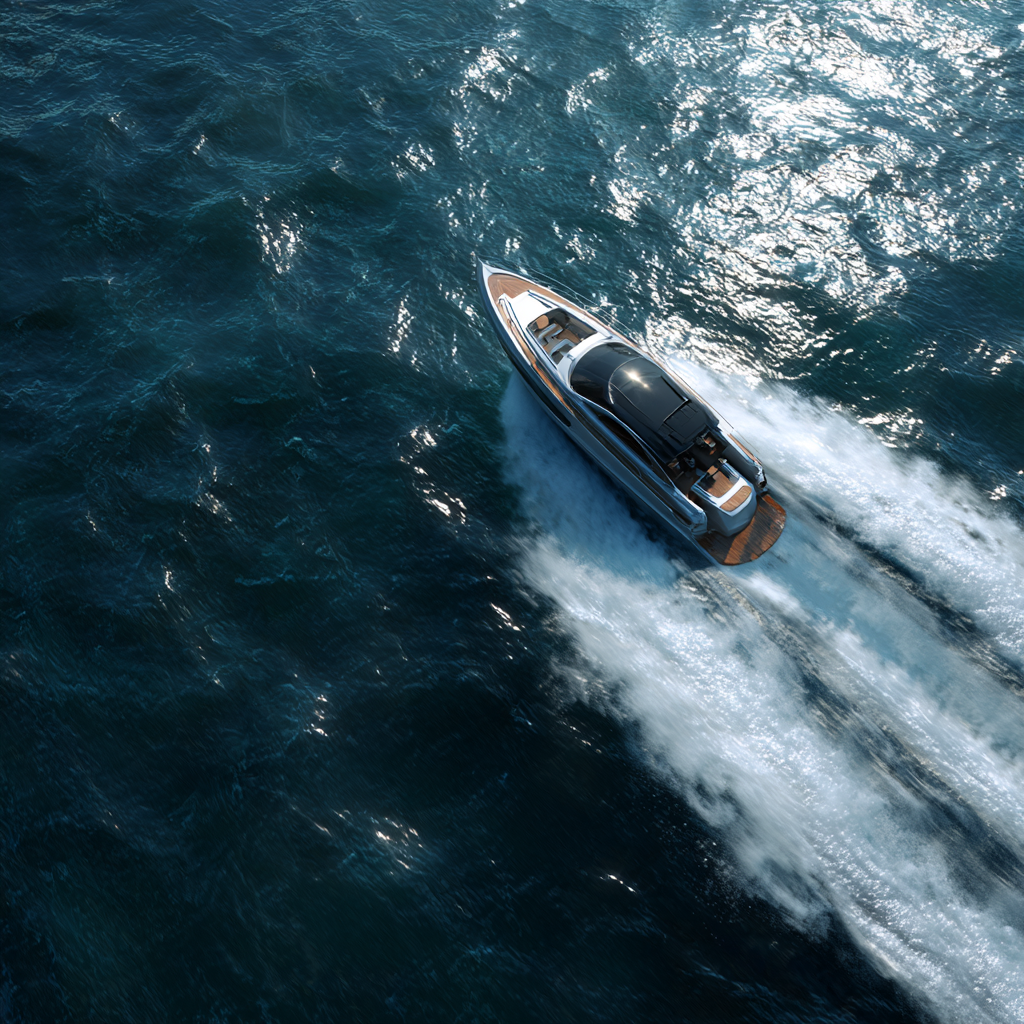
The vessel that has been tracked through the later stages of its construction at the Lürssen yard in Bremen as Project Shackleton has emerged with the name O3, and has now been photographed on sea trials in the North Sea ahead of a 2026 delivery. The images — the first publicly available photographs of the completed exterior — confirm details that had been reported in industry circles: a 109-metre LOA, a pronounced axe bow designed for efficiency in head seas, and a significantly larger forward deck area than a conventional superyacht of this length would carry.
The open deck configuration forward of the superstructure, combined with what appears to be a large enclosed heli-hangar integrated into the upper deck structure, positions O3 firmly in the expedition and research-capable category that has been the most active segment of the large custom yacht market for the past several years. The vessel is understood to have been commissioned by a buyer with a specific interest in polar and sub-polar cruising — the ice-class specification, which requires hull reinforcement and adapted propulsion systems, is consistent with itinerary planning that extends beyond the conventional Mediterranean and Caribbean circuits.
Lürssen and the explorer category
O3 represents the latest in a series of significant explorer yacht deliveries from Lürssen. The Bremen yard has positioned itself as the technical leader in the large explorer segment — vessels that require genuine long-range capability, ice-class ratings, and the ability to carry equipment (tenders, submersibles, remotely operated vehicles, scientific instruments) at a scale that smaller explorer yards cannot accommodate.
The challenge of building a 109-metre vessel to ice-class standards while maintaining the interior quality expectations of a private superyacht owner is considerable. The hull structure must be substantially heavier than a conventional superyacht at equivalent length; the propulsion system must be designed for operation in conditions that a Mediterranean charter yacht would never encounter; and the vessel's systems must be capable of operating independently for extended periods without the shore-based infrastructure that conventional superyachts rely on.
Lürssen's ability to deliver this combination — at scale, and to the quality standards that the private yacht market demands — is a function of its background in naval and commercial shipbuilding as well as private yachts. The yard's engineering team can draw on decades of experience building vessels that operate in genuinely demanding maritime conditions, which is not a capability that purely private-yacht-focused yards can replicate.
Market context
O3's emergence comes at a moment when the explorer yacht segment is as active as it has ever been. The post-pandemic period accelerated a trend that had been building for a decade — buyers who wanted to use their vessels in a wider range of destinations, including remote locations that the traditional superyacht circuit does not reach. The Faroe Islands, Svalbard, the Northwest Passage, Patagonia, and Antarctica are now realistic itinerary destinations for well-equipped superyachts; O3, with its ice-class rating and range capability, represents the fully-realised version of this aspiration.
For buyers and brokers tracking the large explorer market, O3's delivery will provide a useful data point on what Lürssen's current technical capabilities can produce at this scale. The yard's full profile and fleet are covered in our Lürssen shipyard section; the 2026 new builds page provides context on the wider order book.